
When to take caffeine (and when to stop)
How long caffeine takes to work, how long it stays in your body, and a simple daily timeline that protects your sleep.
01How fast it kicks in
Caffeine is absorbed quickly. Blood levels usually peak within about 30 to 60 minutes of eating or drinking it. That is why many people take caffeine half an hour before they need to be sharp: before a meeting, a workout or the second half of a drive.
02How long it lasts
Your body clears caffeine slowly. Its half-life in healthy adults is roughly 3 to 7 hours, often quoted as about 5. So if you take 100 mg at 4 pm, around 50 mg may still be in your system at 9 pm.
Caffeine left in the body after a 100 mg dose (5 h half-life)
03Protect your sleep
In a well-known study published in the Journal of Clinical Sleep Medicine (Drake et al., 2013), 400 mg of caffeine taken even six hours before bed cut total sleep by more than an hour. Participants often did not notice the difference themselves.
If you sleep at 11 pm, make 5 pm your last call. Earlier is better if you are sensitive.
04A simple daily plan
- Wake up: drink water first. Many people find waiting 60 to 90 minutes before the first coffee feels smoother, though evidence for a fixed delay is mixed.
- Mid-morning: your first caffeine, if you want it.
- After lunch (1 to 3 pm): the natural afternoon dip. A small dose here, plus a short walk, works for many. See beating the afternoon slump.
- Before a workout: 30 to 60 minutes ahead.
- Six hours before bed: caffeine off.
05Why small doses help
A small amount of caffeine taken when you need it often works better than one big dose in the morning. That is the logic behind pocket formats like a candy: you can take a little at the moment the dip hits, instead of a large drink that lingers into the evening.
Fin.

Designer of ENRJI's product, packaging and website. Writes about caffeine, snacking and design. This article is general information, not medical advice; see the disclaimer.
Keep reading
How much caffeine is safe in a day?
The numbers health authorities use, who needs a lower limit, and a simple way to add up what you already drink.
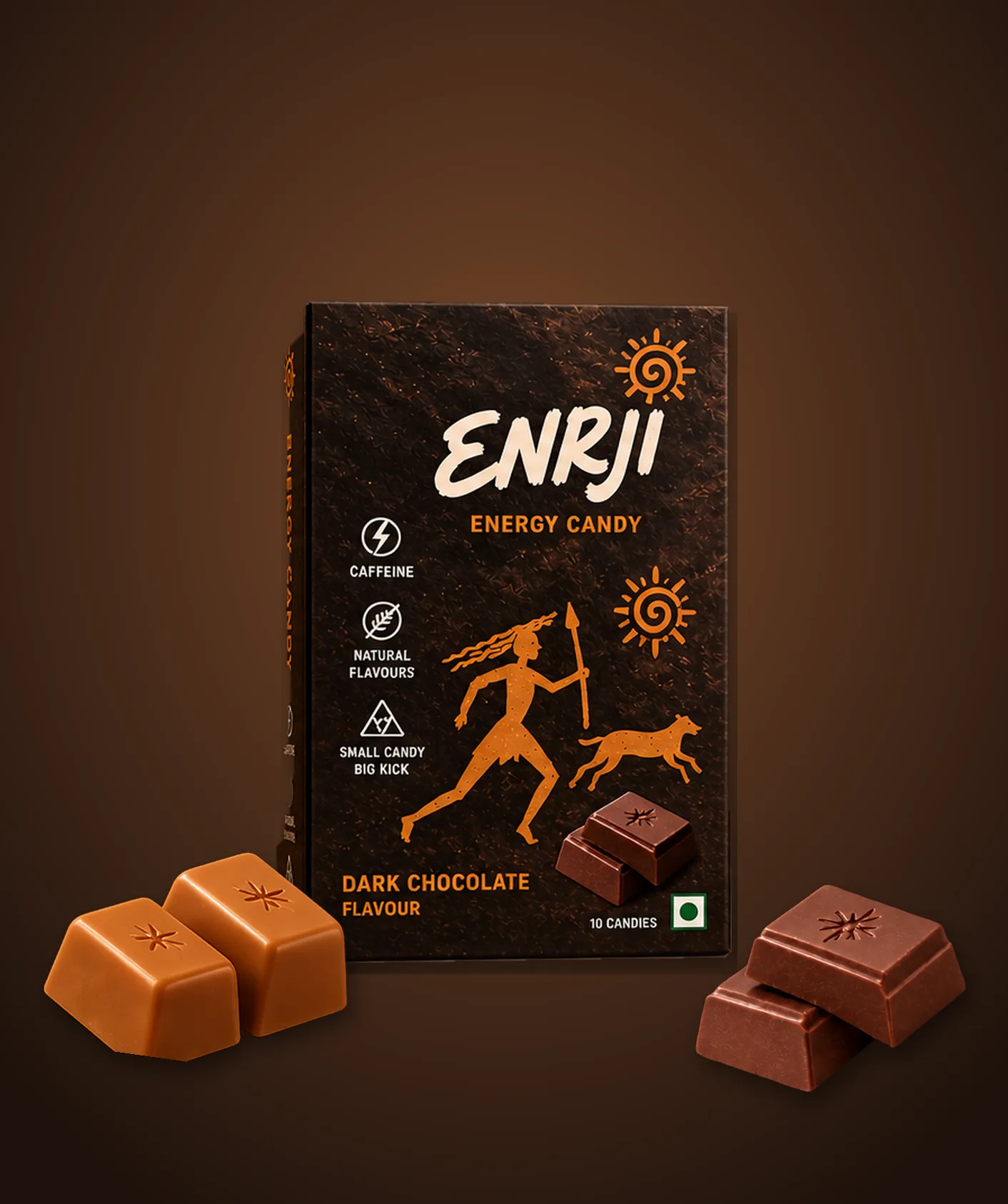
Energy candy vs coffee vs energy drinks
Three ways to get caffeine, compared on dose, convenience, sugar, cost and how they fit into a day.
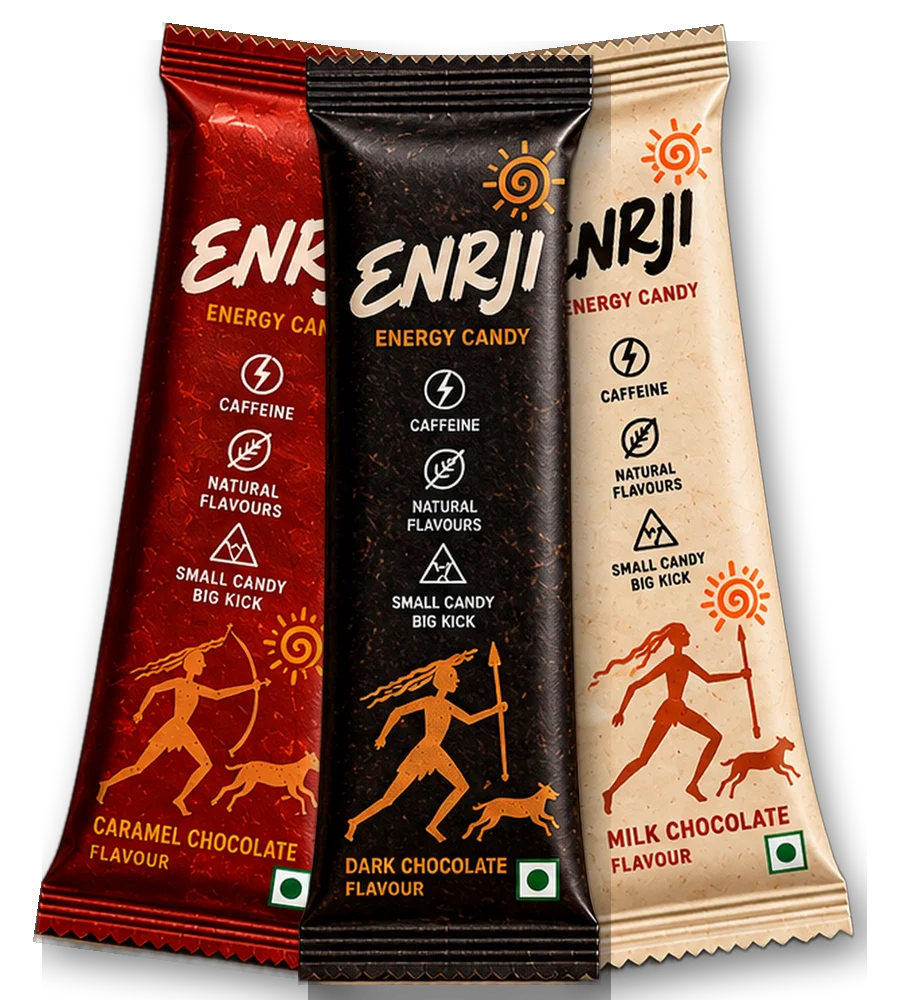
Can a ₹2 candy take on the energy drink?
Energy candy went from a niche idea to a sold-out launch in four minutes. A breakdown of why the format works, what it costs per milligram of caffeine, and what could stop it.